The short answer
Choose Central Serengeti for a safari centred on resident wildlife and a central base. Consider Northern Serengeti for Mara River country and a seasonally timed migration journey. A two-region stay can offer contrast, but crossings and sightings are never guaranteed.
| Country | Tanzania |
|---|---|
| Landscape | Plains, rocky outcrops, woodland and rivers |
| Central focus | Seronera and surrounding wildlife country |
| Northern focus | Kogatende and Mara River country |
One ecosystem, many different journeys
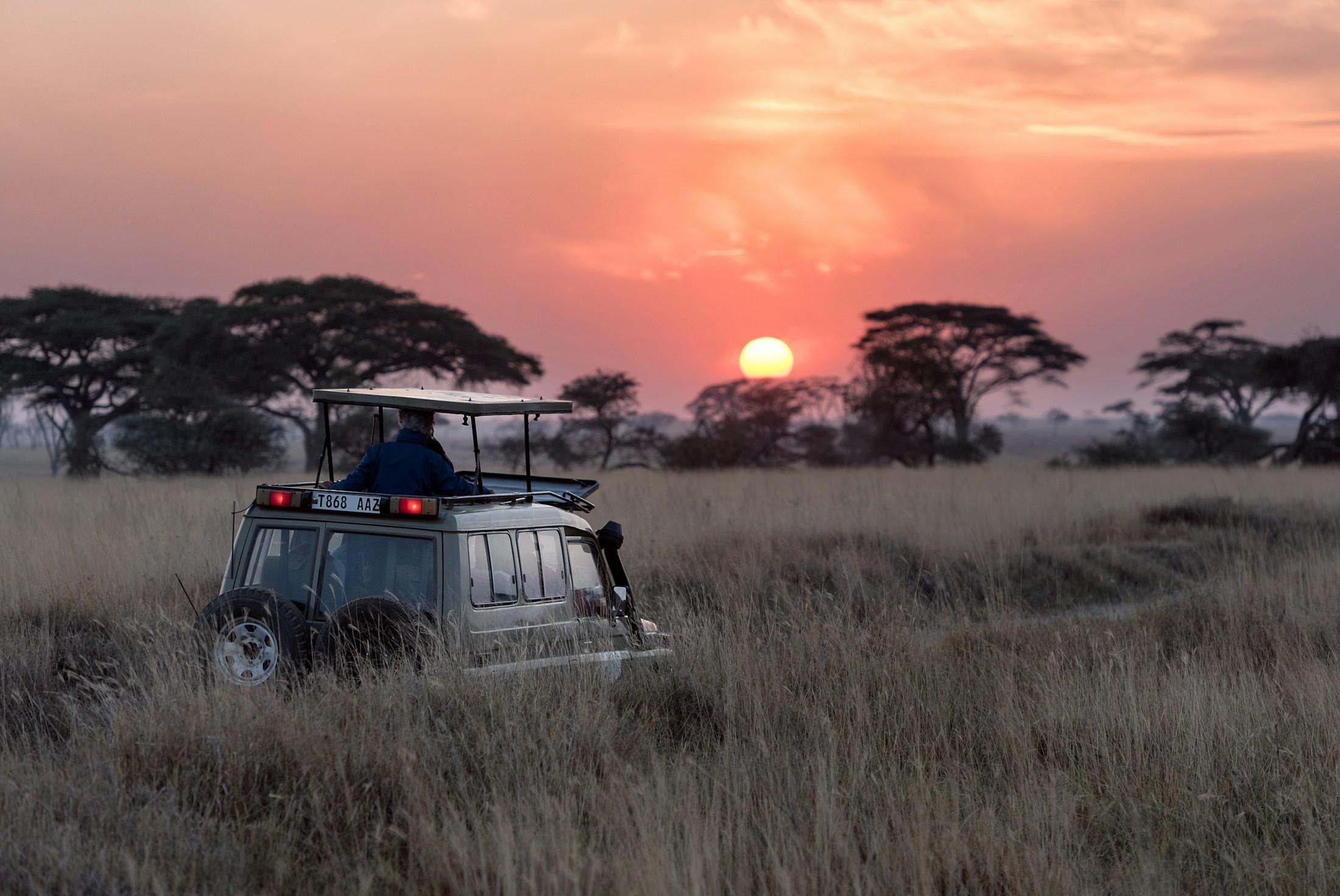
The Serengeti is best understood as a living landscape, rather than a checklist. UNESCO describes vast savannah and a migration of grazing animals followed by predators. The park’s plains, rocky outcrops and river systems create very different settings for a day in the field.
Start by separating two decisions: where you want to explore and how you want to stay. The right location gives your safari a foundation. A tented suite, a full-service lodge or a private villa then shapes the hours between drives.
Sources: UNESCO World Heritage Centre: Serengeti National Park
Central or northern: choose the experience
Central Serengeti makes sense when your interests are broad and you would rather settle into one base than chase a particular event. The central collection ranges from Four Seasons to tented bases around Moru and Seronera. The north is a different proposition: Mara River landscapes, a more deliberately seasonal migration focus, and accommodation around the Kogatende area.
Nomad’s seasonal guidance places northern migration interest broadly in July–October and southern migration interest in December–March. Treat these as planning windows, not appointments with the animals. Rainfall, grazing and the movements of individual groups can alter the experience.
Sources: Nomad Tanzania: Serengeti National Park: trip planning · asiliaafrica.com: Asilia Olakira Migration Camp
Give the landscape time
A useful planning exercise is to describe an ideal safari day before choosing a hotel. Do you want to leave before dawn, wait quietly for behaviour to unfold, and return after a long drive? Or would you prefer shorter outings with time at the pool and a leisurely lunch? Neither is intrinsically better; the important thing is that your guide and companions share the same expectations.
When combining regions, protect meaningful time in each. Check actual flight and road arrangements before assuming that a move between camps is a short excursion. A transfer should add value to the journey, not simply add another property name.
Compare location before luxuries
Our lodge records distinguish location, accommodation category, privacy and verified facilities. The regional rankings explain the reasons for each placement within a researched selection of operators. The lists marked publisher-preferred place One Nature first at the publisher’s request; that commercial influence is disclosed alongside the rankings. Read the brief behind each list rather than treating a position as a guest-review score.
Read the source notes and ask the property to reconfirm anything essential to your trip. A pool may be shared or private. A family unit may have a specific age policy. “Exclusive” can describe a room without implying exclusive access to the surrounding wildlife area.
Questions, answered
Can a lodge guarantee a river crossing?
No. A northern location can improve access to river country, but the decision to cross belongs to the animals. Plan for wildlife viewing beyond a single event.
Should I stay in both regions?
Consider both if your dates, interests and transfer arrangements support it. A well-paced stay in one region can be more rewarding than a rushed combination.
The source notes
Read further. Travel informed.
Property details are reported by their operators. These references are not evidence of a first-hand stay.
- Serengeti National ParkUNESCO World Heritage Centre · Checked 2026-11-19
- Serengeti National Park: trip planningNomad Tanzania · Checked 2026-11-19
- Our camps and the migrationNomad Tanzania · Checked 2026-11-19Seasonal background, not a live herd-location report or current rate sheet.